
STEAM training
STEAM training for teachers and schools.
Since 2018 I have designed and delivered training on educational robotics, coding, 3D modelling, AR/VR, artificial intelligence and digital tools for teaching.
I work with teachers, students, schools, universities and training organisations. I have delivered over 2,000 documented hours.
Experience
- 2,000+
- documented training hours
- Since 2018
- in classrooms
- 190+
- documented hours of university teaching
- 700+
- documented hours on PNRR school programmes
Hours delivered in schools, universities and training organisations, across student workshops, teacher training and university teaching.
How I design activities
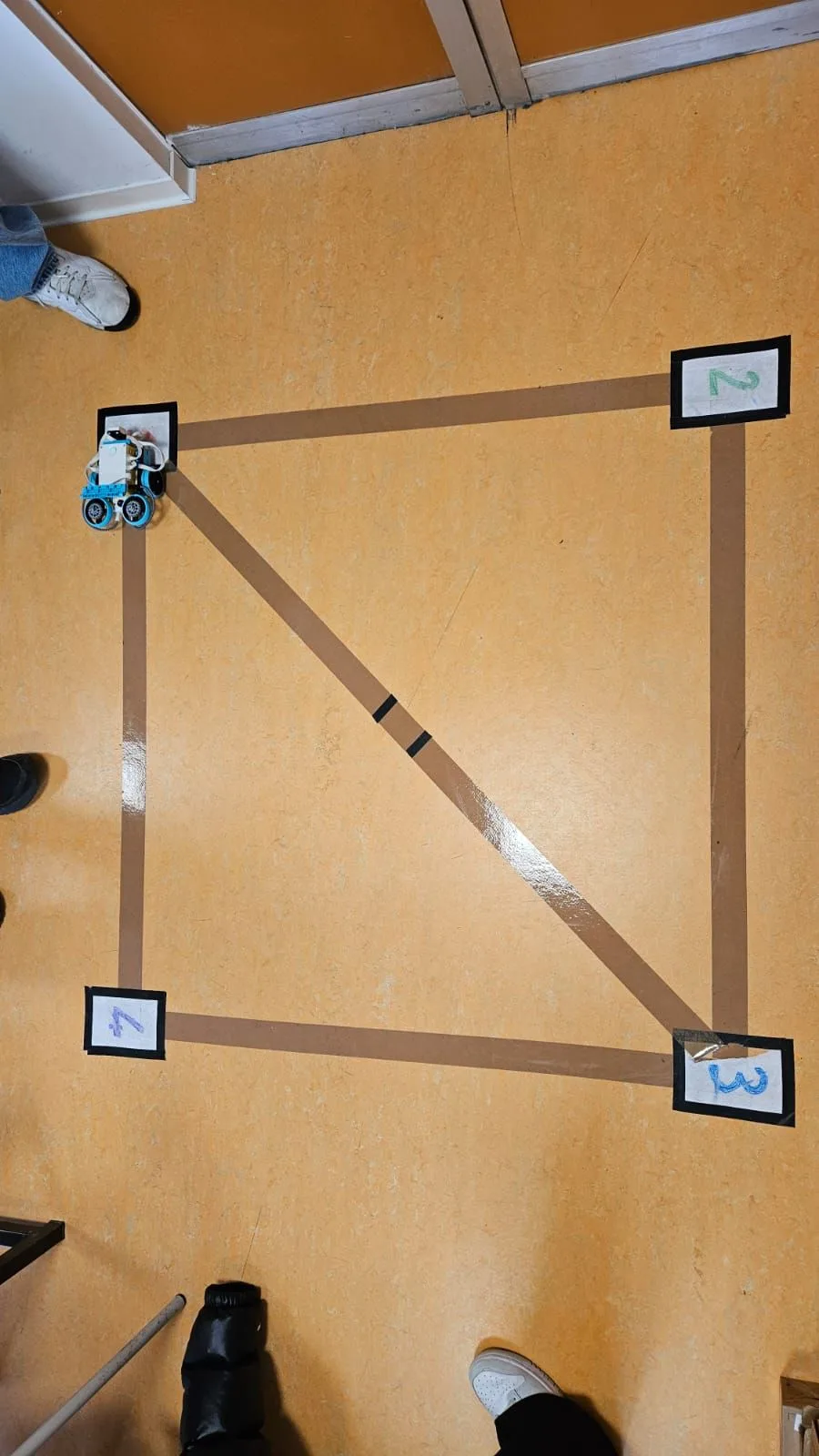
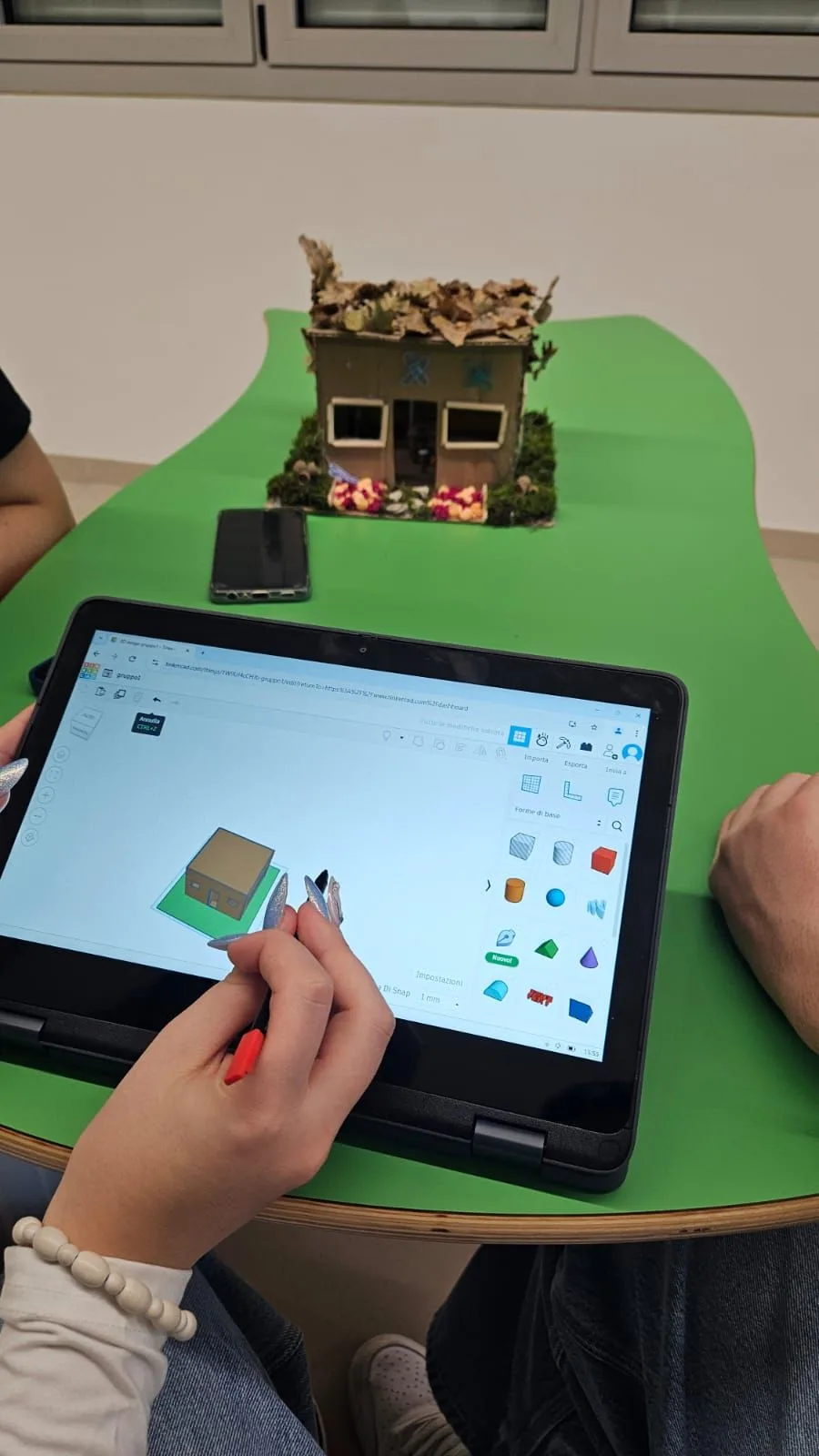
With younger children a grid drawn on the floor can introduce orientation and sequences before a robot comes in. An object can be drawn, built and then modelled in 3D. With teachers the work also covers tasks, timing, materials, roles and adapting the activity to the class.
Teaching projects
Polly the robot bee
From the body to the code, inside a story.
A programme for early years and primary school where children learn orientation and first programming sequences, moving from walking on a large floor grid to controlling a small robot bee. Polly's story gives a reason to the routes, the obstacles and the decisions the group makes.
See Polly Primary and secondaryKerbonauti
Science and technology inside a space mission.
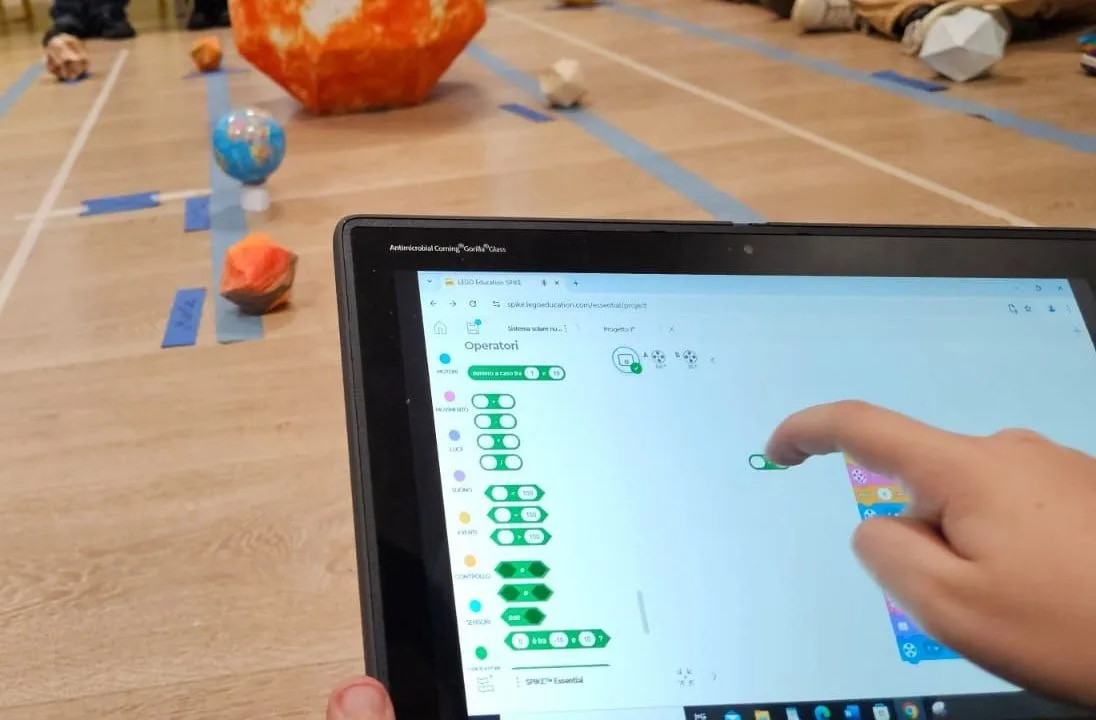
A programme for primary and lower secondary school where students work as a crew on a journey of exploration. Coding, electronics, tinkering and 3D modelling become the tools for tackling scientific and design problems.
See Kerbonauti Primary and secondaryA forest to rebuild
Robotics, biodiversity and the atmosphere inside one story.
A programme where an explorer robot crosses different environments and students face problems connected to reforestation, biodiversity, mountains and the atmosphere. Scientific knowledge is used to build and programme solutions.
See the project Primary and secondaryDetectives of the past
From historical research to a physical build and a 3D model.
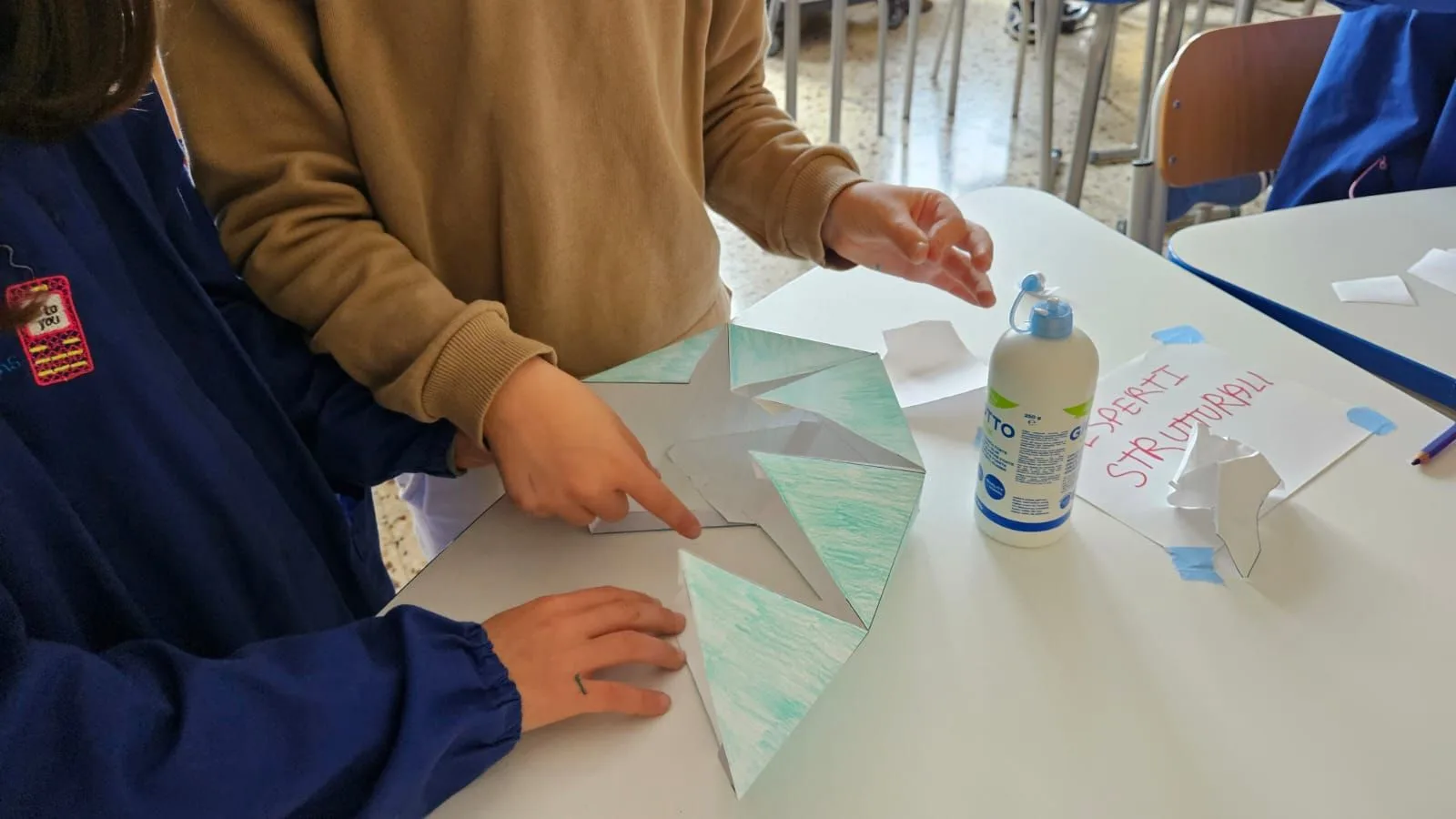
Students become a team of historical detectives, gather clues, design objects on paper, build models and recreate them digitally. Technology becomes a tool for observing and reinterpreting the past.
See the project Co-founder · product design and developmentSoleStorie
Physical objects that open digital experiences.
An EdTech platform built around the idea of giving continuity to what is made in the classroom. Posters, objects and materials can become entry points into stories, questions, explorations and digital activities.
Discover SoleStorieFrom the classroom
In the classroom
Photographs are published only where the necessary permissions exist.
References
Technologies
Talks
- Didacta Italia · Speaker · 2025 and 2026 editions
- FermHAmente · Science Festival · Speaker · 2025 edition
- Linux Day · Speaker at multiple editions
Collaborations
- Accelium · Regional representative for the Marche region, supporting educational work around game-based methods for strategic thinking and cognitive skills.
- Makby · Italy representative, developing educational and training collaborations around 3D bioprinting, bioengineering and emerging technologies.
Contact
If you want to organise a programme, write to me with the audience, the time available and the topics you would like to cover.